Posts

Why Geo Textiles Fabric is a Game-Changer for Sustainable Construction

Image
  In the realm of sustainable construction practices, geotextiles fabric has emerged as a revolutionary material with multifaceted benefits. Jhanji Textiles, a distinguished name in the textile industry, offers a comprehensive range of geotextiles fabric that plays a crucial role in enhancing the durability, efficiency, and environmental-friendliness of construction projects. This blog explores why geotextiles fabric is transforming sustainable construction practices and how Jhanji Textiles is at the forefront of this innovation. What is Geotextiles Fabric? Geotextiles fabric is a synthetic material designed specifically for use in civil engineering and construction applications. It is made from polyester or polypropylene fibers and is characterized by its permeability, strength, and resistance to environmental factors such as UV rays and chemicals. Geotextiles fabric serves various functions in construction, including filtration, separation, reinforcement, and erosion control. Ad...

The Benefits of Geo Textiles Fabric

Image
  Geo textiles fabric, a versatile and essential material in the construction and civil engineering industries, has significantly impacted how we approach soil stabilization, erosion control, and environmental sustainability. This blog will delve into the numerous benefits of geo textiles fabric and highlight why Jhanji Textiles is a leading supplier of high-quality geo textiles. What is Geo Textiles Fabric? Geo textiles fabric Geo textiles fabric is a permeable textile material made from synthetic fibers such as polypropylene, polyester, or polyethylene. It is designed to improve soil stability, provide erosion control, and aid in drainage and filtration. Geo textiles are used in various applications, including road construction, landscaping, agriculture, and environmental projects. Types of Geo Textiles Fabric Woven Geo Textiles : Created by weaving fibers together, these fabrics are known for their high tensile strength and durability. They are ideal for applications requiring s...

How Non Woven Fabric is Shaping the Future of Textiles

Image
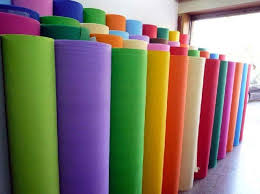
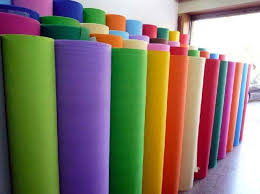
  The textile industry is undergoing a profound transformation, and at the heart of this change lies the innovative use of non-woven fabrics. These versatile materials, characterized by their unique manufacturing processes, are redefining the landscape of textiles and opening up new possibilities across a range of industries. Jhanji Textiles Jhanji Textiles , a pioneering brand in the field, is at the forefront of this revolution, spearheading advancements that showcase the transformative potential of non-woven fabrics in shaping the future of textiles. Understanding Non-Woven Fabrics Non-woven fabrics are textiles made from fibers that are bonded together through mechanical, thermal, or chemical processes, rather than being woven together like traditional fabrics. This results in a fabric with distinct properties, including: Versatility : Non-woven fabrics can be engineered to have specific characteristics such as absorbency, strength, and breathability, making them suitable for a...

The Ultimate Guide to Non-Woven Fabric

Image
  Non-woven fabric has become an integral part of our daily lives, playing a crucial role in various industries and applications. From healthcare and hygiene products to automotive and agriculture sectors, the versatility and functionality of non-woven fabric make it a popular choice for manufacturers and consumers alike. In this comprehensive guide, we'll explore everything you need to know about non-woven fabric, with insights from industry leader Jhanji Textiles. What is Non-Woven Fabric? Non-woven fabric is a type of textile that is made directly from synthetic fibers or filaments without the need for spinning or weaving. Instead, fibers are bonded together mechanically, chemically, or thermally to form a fabric-like material. This unique manufacturing process gives non-woven fabric its distinctive properties, such as durability, breathability, and versatility. Types of Non-Woven Fabric 1. Spunbond Non-Woven Fabric Spunbond non-woven fabric is made by spinning continuous filam...